
Murdeshwar

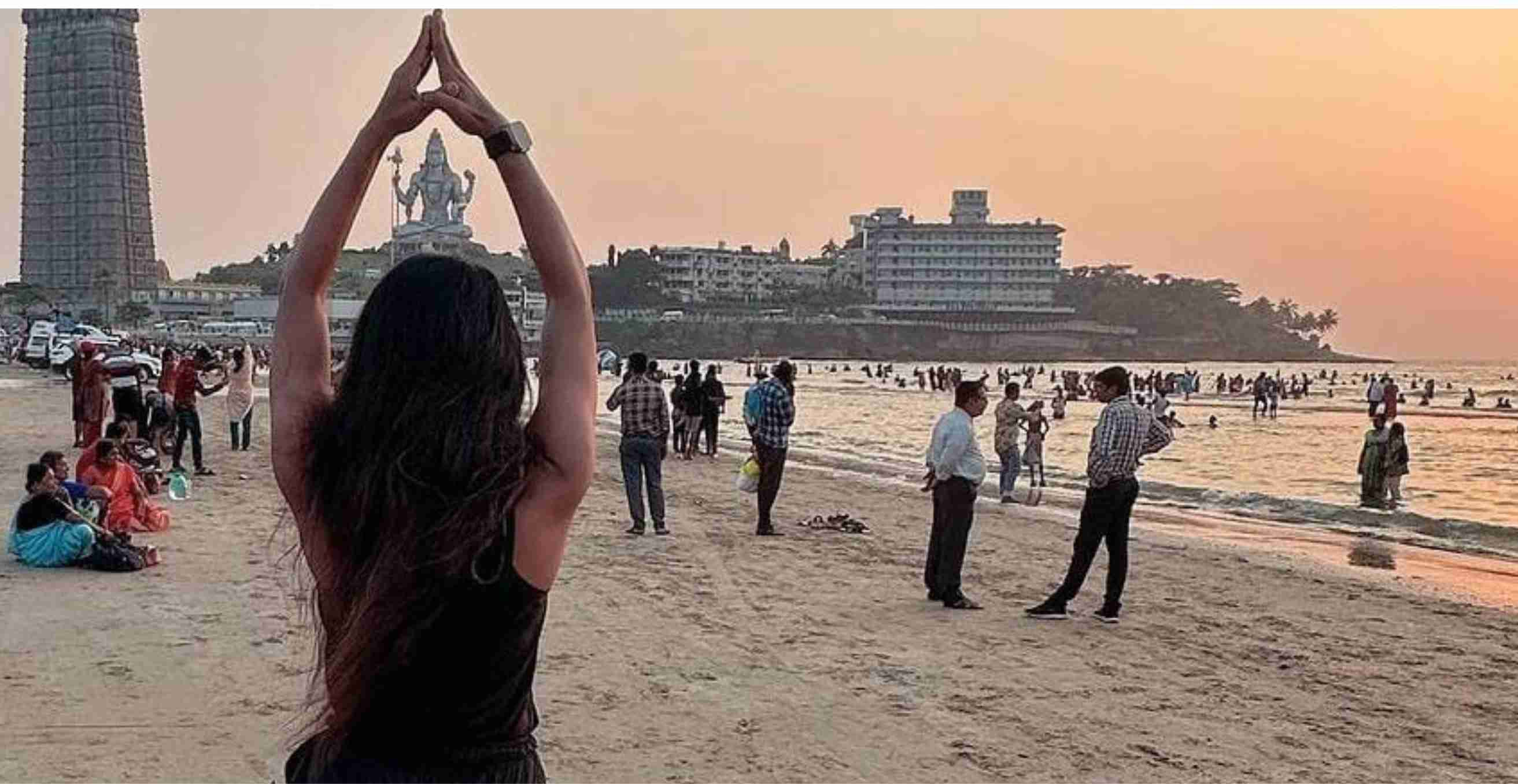
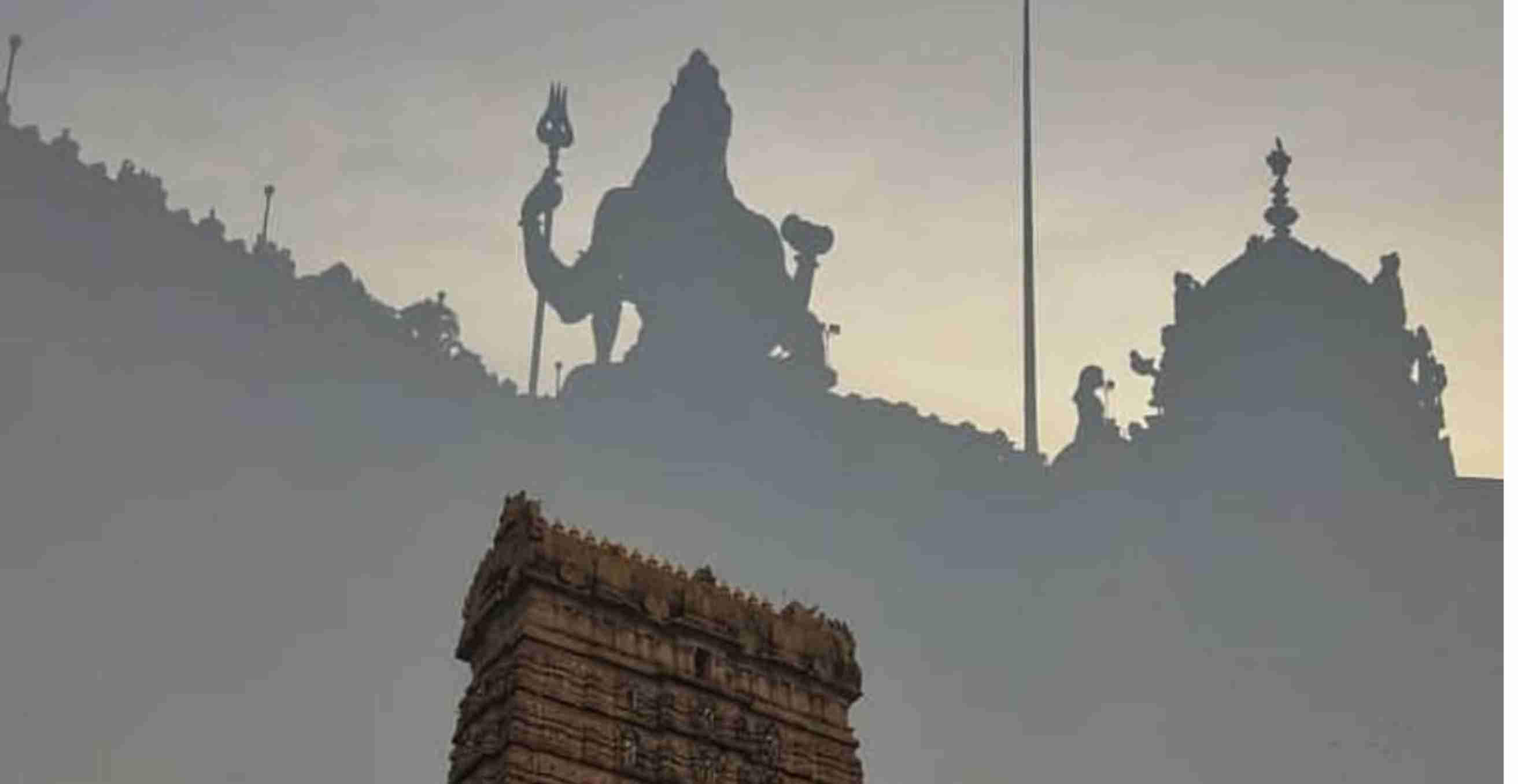
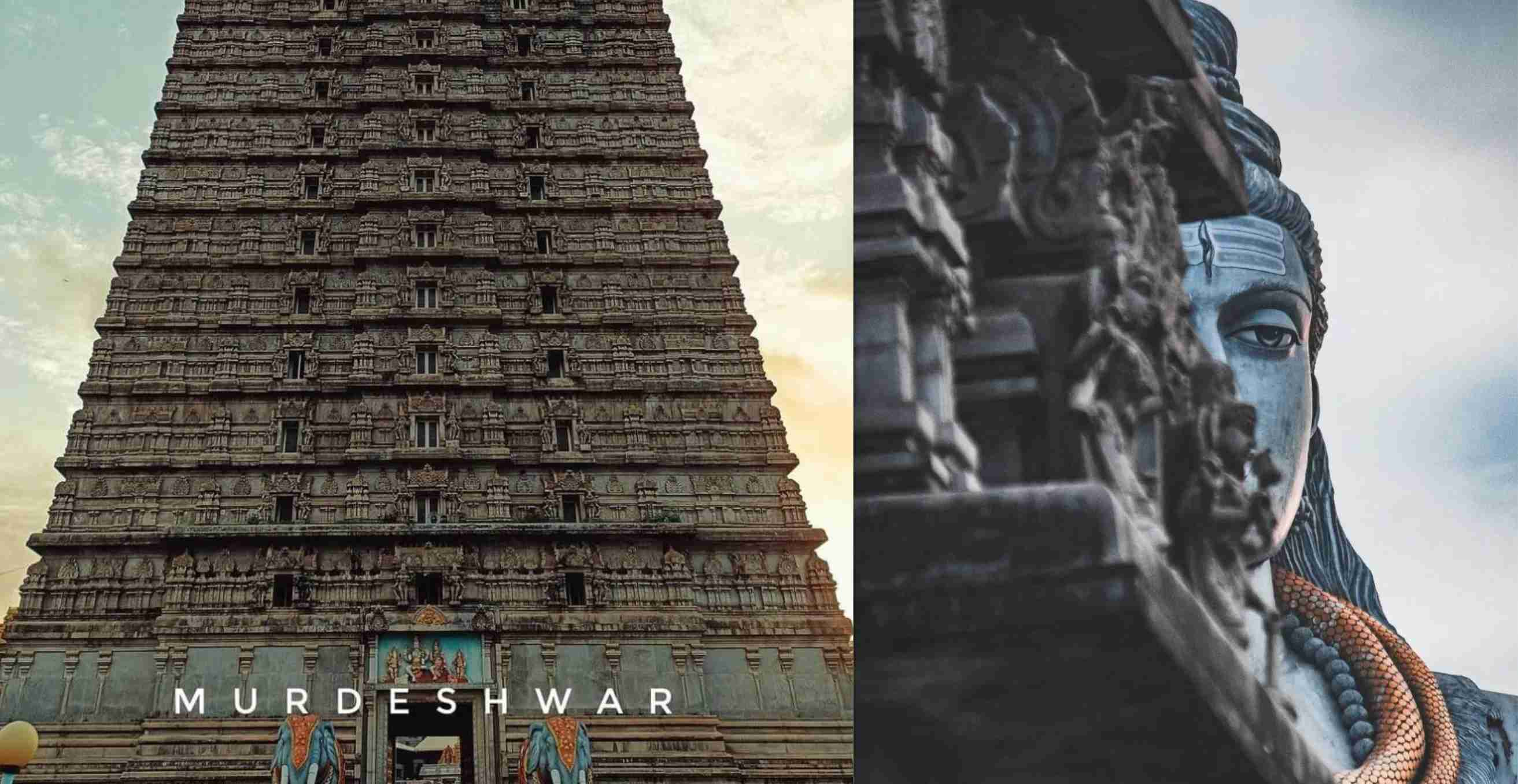
Basic Info: Murudeshwar, located in Karnataka, India, is renowned for the Murudeshwar Temple housing a colossal 123-foot statue of Lord Shiva, making it the world's second tallest Shiva statue. The temple, situated on the Kanduka Hill overlooking the Arabian Sea, attracts pilgrims and tourists alike. The striking Raja Gopura, a 249-foot entrance tower, and the scenic Murudeshwar Beach add to the town's allure. Accessible by road and rail, Murudeshwar offers a blend of religious significance, architectural splendor, and coastal charm.
District: Uttara Kannada
Location Type: Murdeshwar is a town in Uttara Kannada district in the state of Karnataka
Best Time To Visit: October to February
Murudeshwar Temple - A sculpted Architecture and a Spiritual Significance
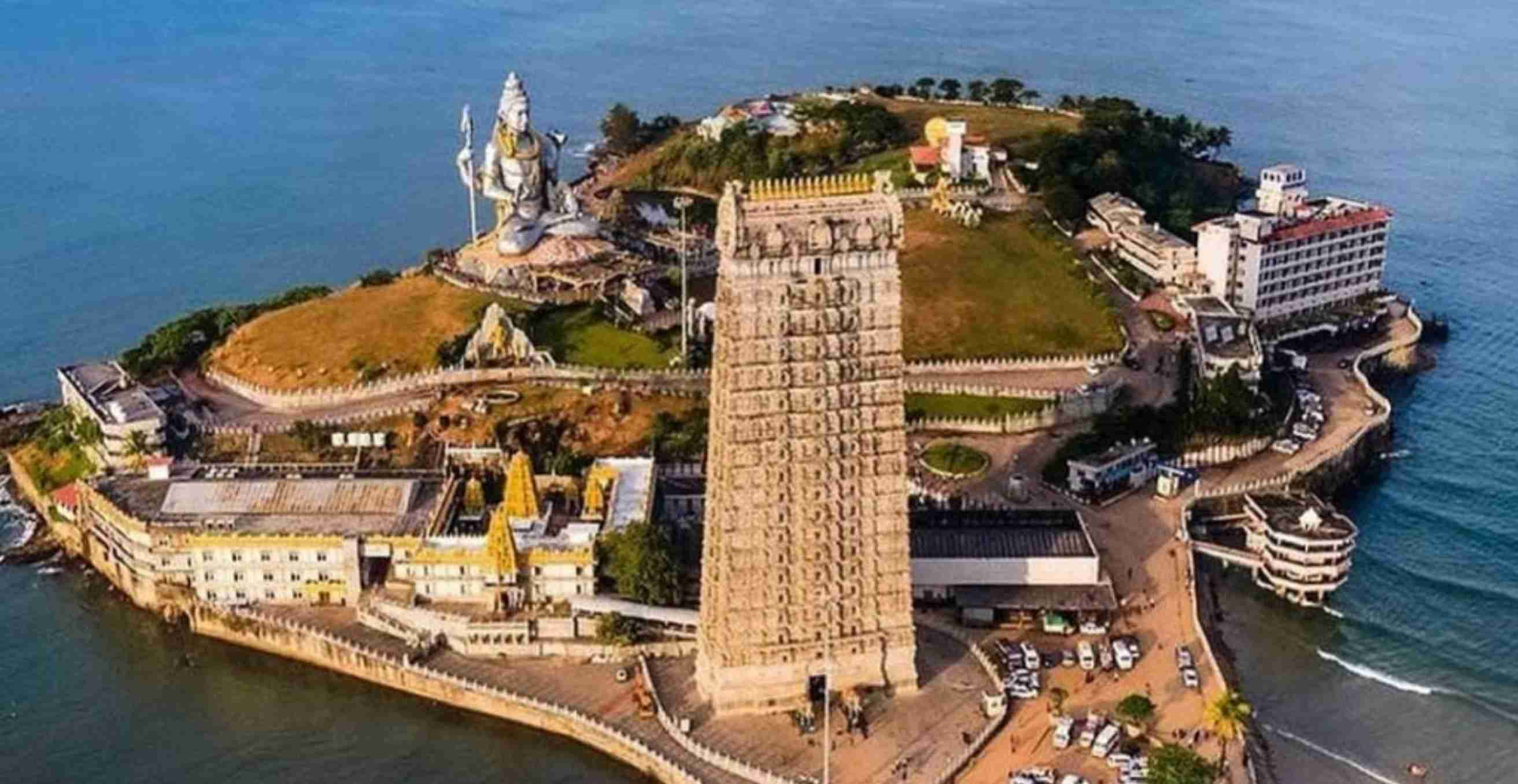
Situated along the scenic coastline of Arabian Sea in Karnataka, India. The Murudeshwar Temple stands as an important sculptured architecture to the rich cultural, heritage and religious of the region.Situated along the scenic coastline of Arabian Sea in Karnataka, India. The Murudeshwar Temple stands as an important sculptured architecture to the rich cultural, heritage and religious of the region.
Speciality of Murudeshwar
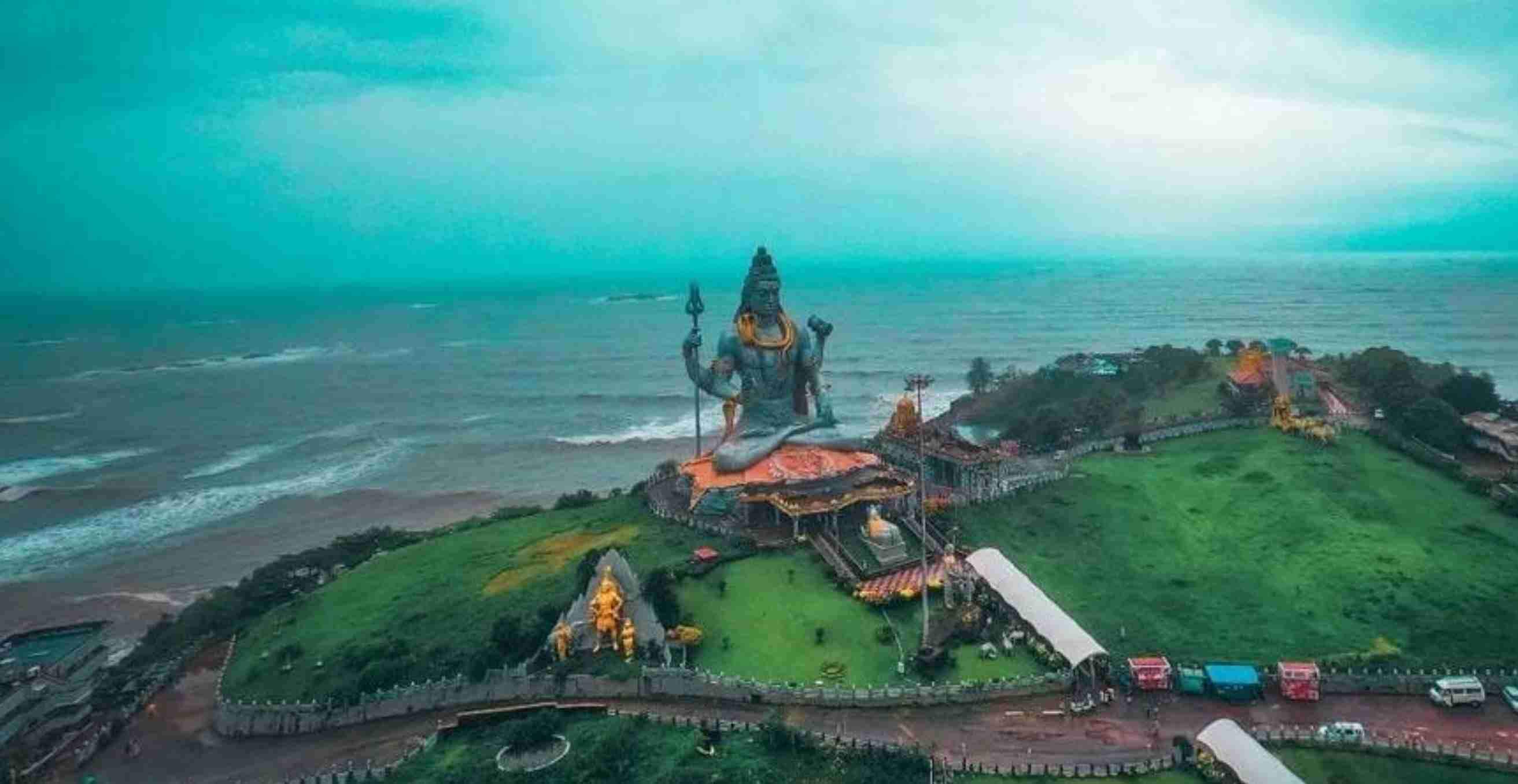
The temple Murudeshwar is the second largest shiva statue in the world. It is situated in the town of Murudeshwar, its name derives from the presiding deity, Lord Murudeshwar (another form of Lord Shiva).
The primary attraction of this religious complex is at the next level. Large mass is attracted and comes here to seek the blessings of the lord Shiva. Shiva statue that is large over the temple complex. The monumental statue is a treat for the eyes and heart, towering at an impressive 123 feet tall at sea level. It is considered that the sheer grandeur is majestic, the sculpture is enough to leave the visitors spellbound. It shows the intricate details and commanding presence against the environment of the azure and majestic sea.
Story behind Murudeshwar Temple
The story behind the temple's establishment has depth in Indian mythology, adding few layers of cultural significance to its existence. According to locals of this place, Ravana, the demon king of Sri Lanka, was an ardent devotee of “Lord Shiva”. Seeking to attain deception, Ravana performed intense penance and pleased Lord Shiva is what is said.
This is to indicate the one who blessed him with a powerful lingam (an abstract characterization of Lord Shiva). However, Ravana was unable to carry how much he ever tried, the lingam back to Lanka, sought the help of Ganesha, who disguised himself as a Brahmin caste. Ganesha placed the lingam on the ground, which transformed it to present-day Atma Linga.
History of Murudeshwar Temple
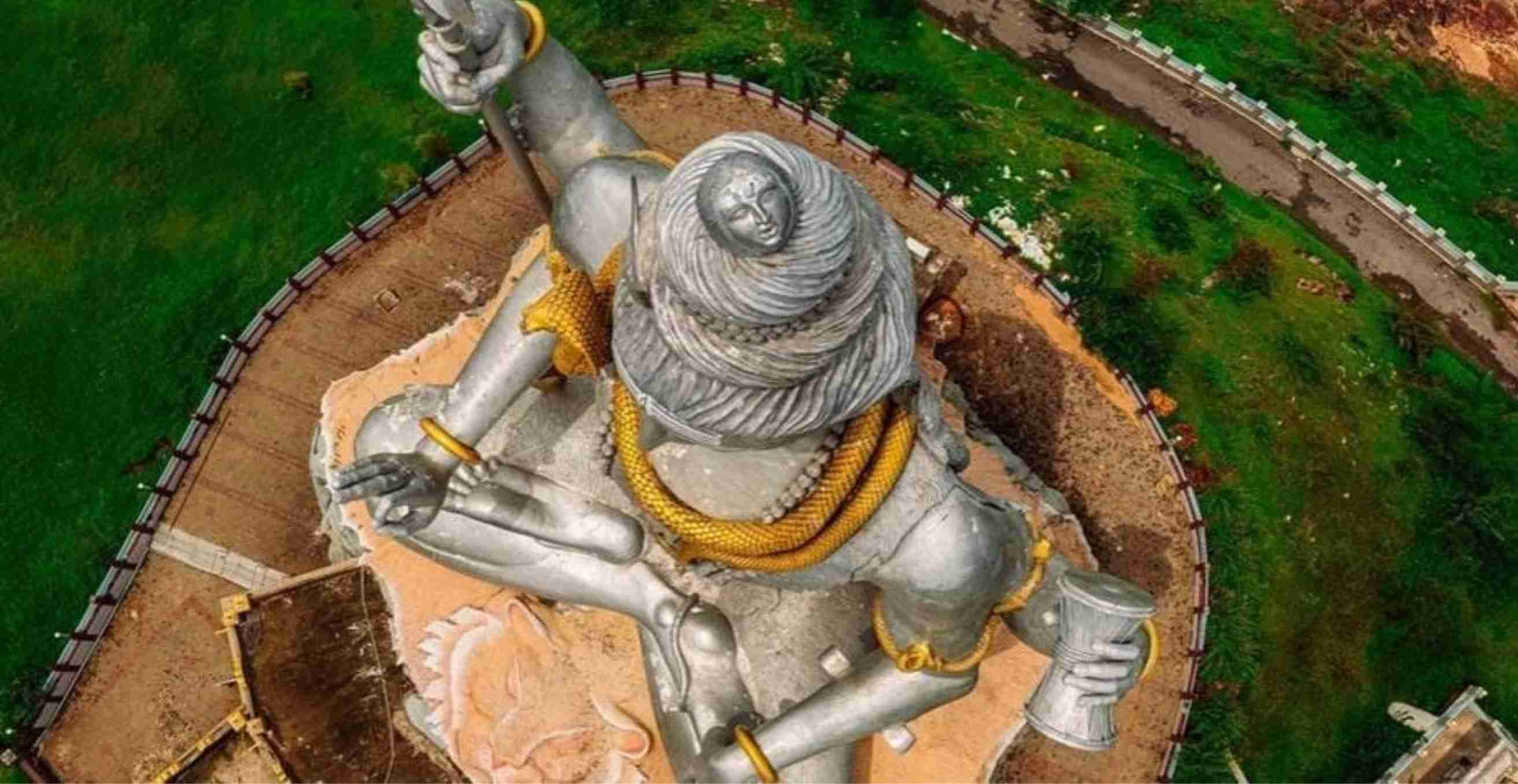
Enraged by the act, Ravana tried to uproot the lingam. This led to pieces of it being scattered across at different locations at this place. One of these pieces is believed to have fallen inside Murudeshwar, giving rise to the sacred site that is today and the eventual construction of the Murudeshwar temple. This beautiful and mythological story not only adds a layer of fascination to the temple but also underscores the power. This has a significance of the divine Hindu mythology.The temple is complex by nature. There is a towering Shiva statue right next to the temple, it boasts a well-maintained and designed sanctum dedicated to Lord Murudeshwar. The architecture of the Murudeshwar temple is a harmonious blend of traditional Dravidian style and contemporary design elements.
The ornate carvings are a treat for the eyes, towering gopurams (entrance towers) are beautiful. The intricate detailing on the temple walls showcases the craftsmanship and their dedication of the artisans who dedicated their skills to create this architecture. Devotees and visitors alike are welcomed by the lovely sight of the temple's gopurams adorned. It has vibrant sculptures depicting various episodes from the Hindu mythology. The temple's architecture not only serves as a visual delight, but serves a spiritual purpose, creating an environment in order to be conducive to prayer and spirituality.
The temple complex extends beyond the main shrine, offering devotees and tourists additional attractions. The temple is surrounded by a large courtyard that hosts religious ceremonies, cultural events, and festivals. The serene surroundings, with the rhythmic sound of waves in the background, contribute to a tranquil ambiance, providing a conducive environment for spiritual contemplation. One of the unique features of the Murdeshwar Temple is its proximity by the sea which attracts the people in large masses to watch this scenic view. Murudeshwar temple complex is situated on the Kanduka Giri. It is a small hill surrounded by the Arabian Sea on three sides. This geographical setting not only enhances the scenic beauty of the temple but also adds a spiritual dimension, symbolising the vastness and eternity of Lord Shiva.
Murudeshwar as a religious culture

Apart from its religious and architectural significance this holds, the Murdeshwar Temple serves as a hub for cultural and spiritual. Festivals like Maha Shivaratri attract lakhs of devotees here to come, creating an atmosphere of festivity, religious and devotion. The Muurdeshwar temple also plays a major role in promoting tourism in the region, drawing visitors from different parts of the country and the world to come here.
In recent years, the Murudeshwar Temple has undergone a lot of renovations. In addition to enhancing and bettering the overall experience for visitors. Modern amenities, including well-maintained pathways, seating areas, and information centres. This has been incorporated without compromising the sanctity and historical charm of the Murudeshwar temple. This blend of tradition and modernity reflects the temple's adaptability for anyone who comes here to the changing times while preserving its cultural and religious heritage.
Murudeshwar Temple as a must visit place.
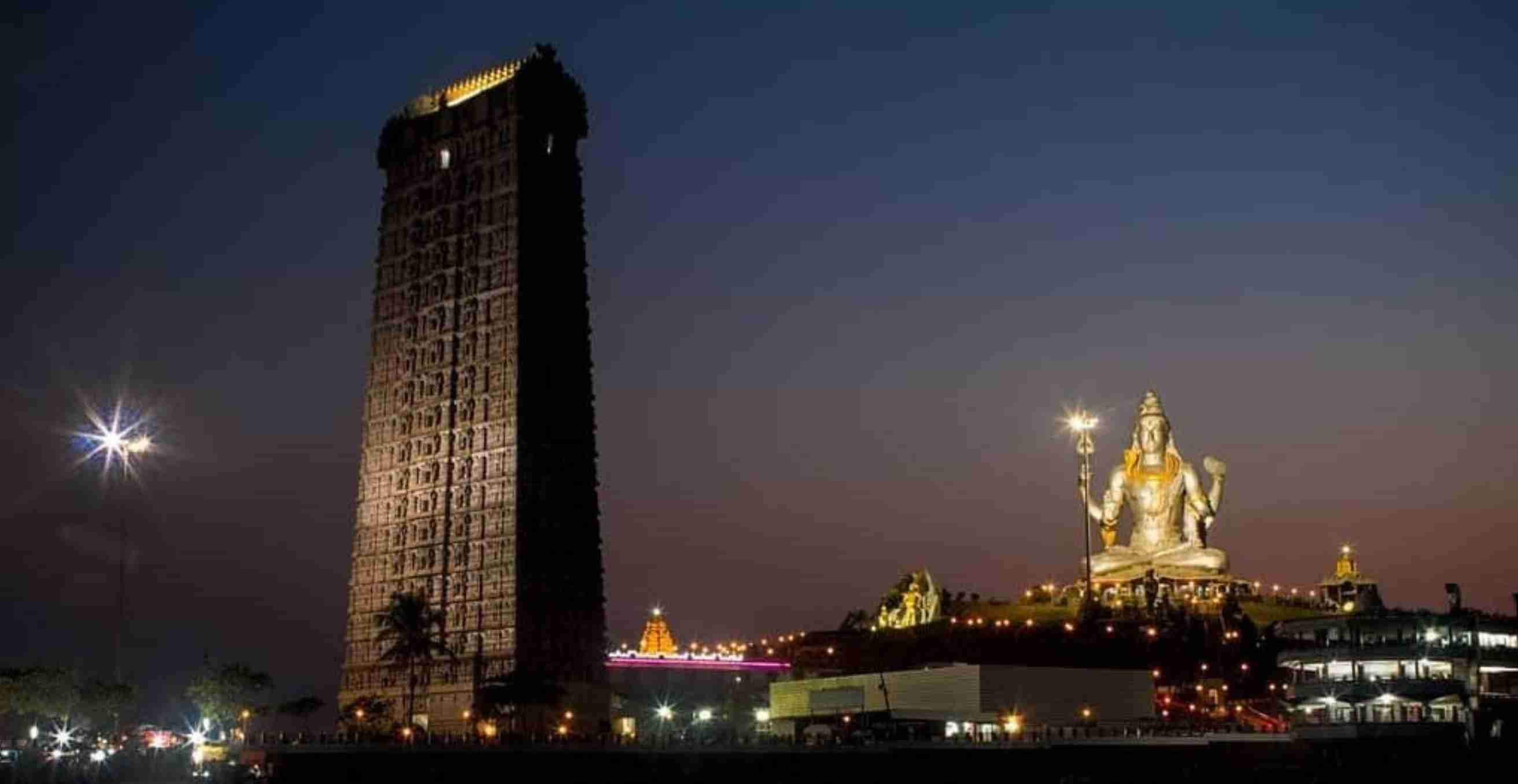
The Murudeshwar Temple stands as a beacon of spirituality and architectural brilliance on the western coast of India. Its towering Shiva statue, coupled with the intricate carvings and historical significance, makes it a must-visit destination for both devotees and admirers of art and culture.
The Murudeshwar temple's ability to seamlessly mix both tradition with modernity surely ensures its continued relevance in the culture. This place is also a religious landscape of India. As a symbol of devotion and spirituality, and architectural beauty, the Murudeshwar Temple invites individuals to explore divinity and human creativity.