
Mysore Palace
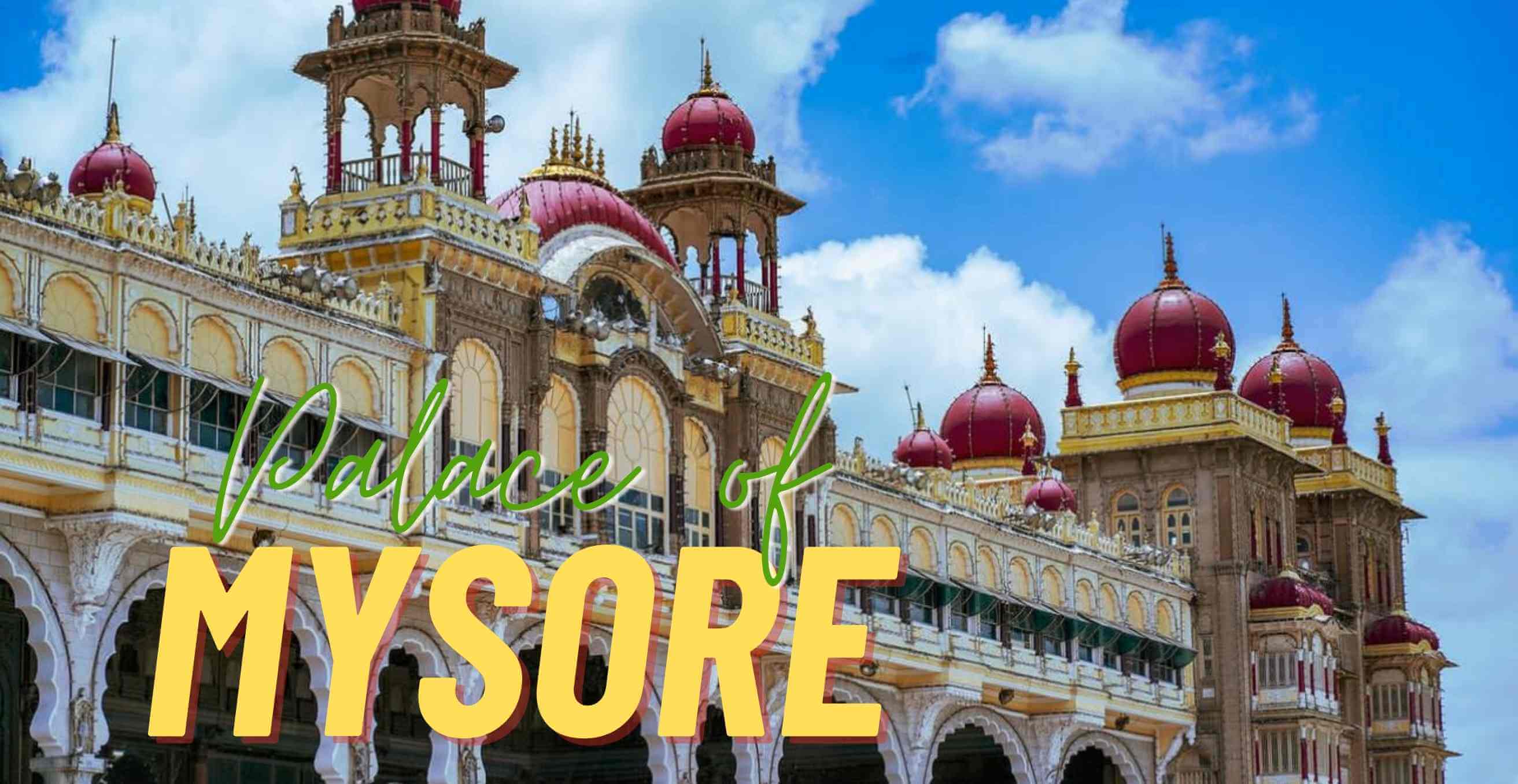
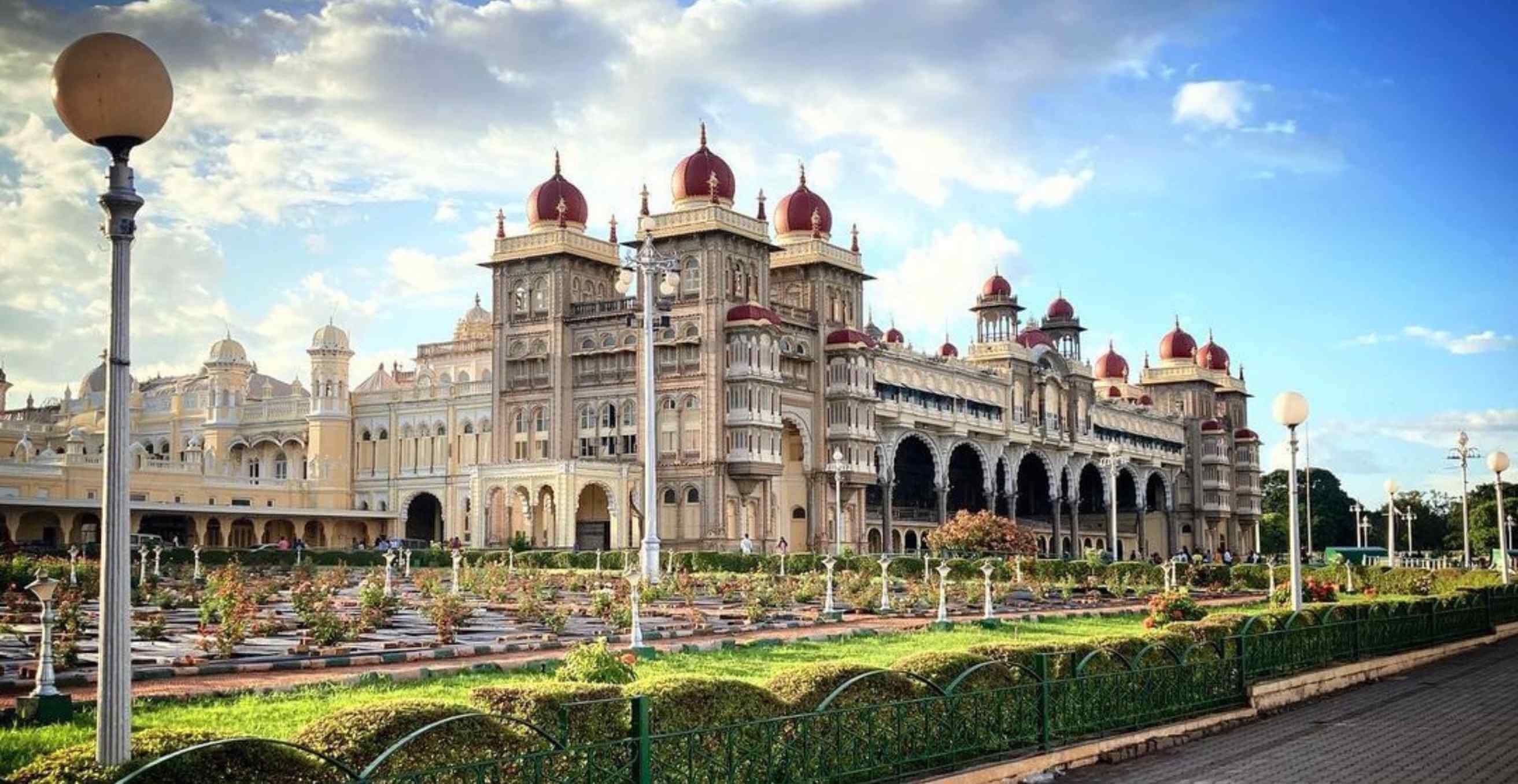
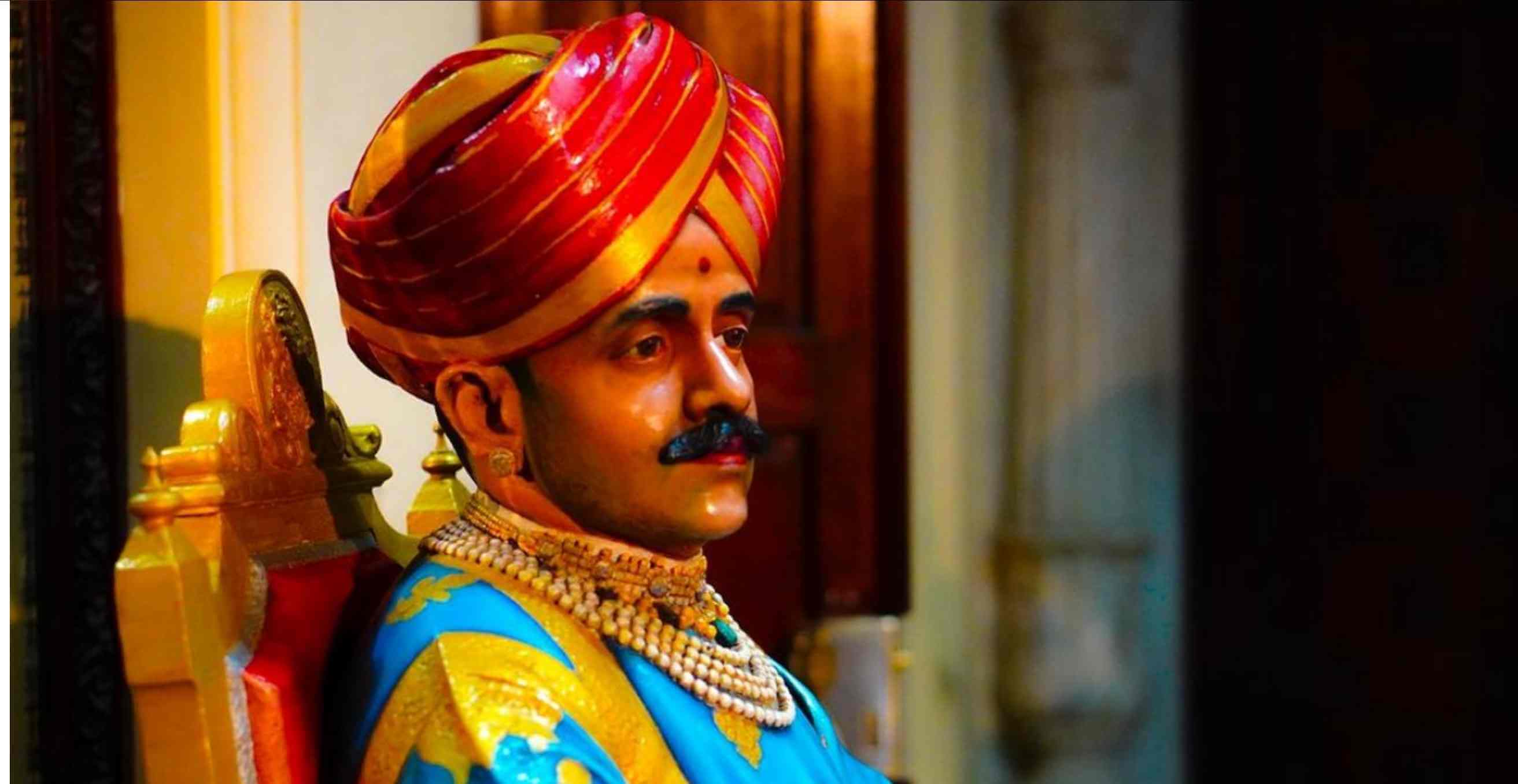
Basic Info: Mysore Palace, also referred to as Amba Vilas Palace, stands as a historical palace and royal residence situated in Mysore, Karnataka, India.
District: Mysore
Location Type: Mysore district in the state of Karnataka, India
Best Time To Visit: During Dussehra Festival
How Old Is Mysore Palace?
The royal lineage and site itself date back over 600 years, to around 1399, when the Wadiyar dynasty first established a palace in Mysore. Over the following centuries, this original structure went through repeated cycles of damage, demolition, and reconstruction — a reflection of the shifting political fortunes of the region.
The palace that stands today, however, is considerably younger. It was rebuilt between 1897 and 1912, making the current building a little over 110 years old. So when people ask how old is Mysore Palace, the honest answer is really two answers: the building is around 110+ years old, but the palace as an unbroken royal institution and seat of the Wadiyar family goes back more than six centuries
The History of Mysore Palace
Early Palace — 14th to 18th Century
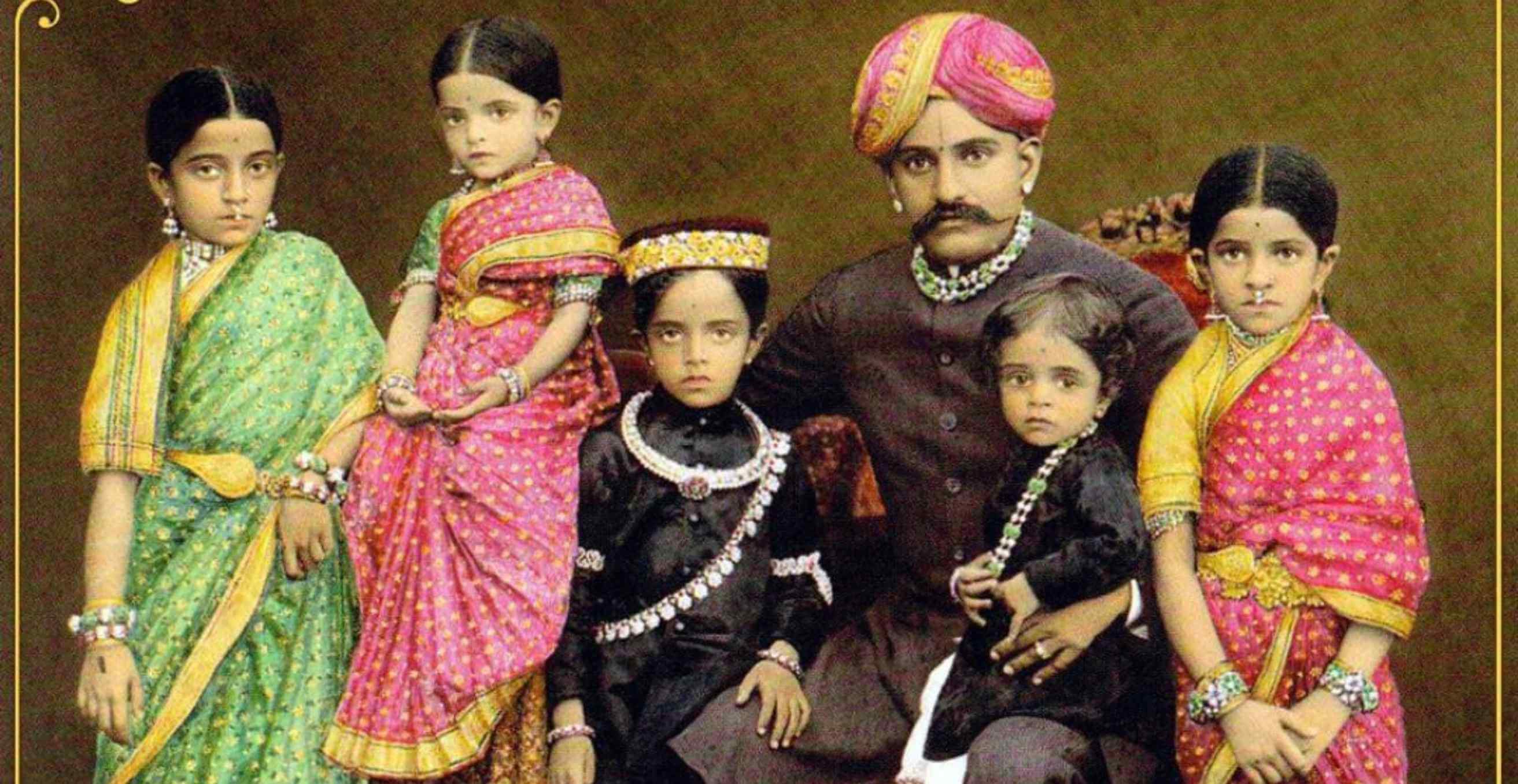
The story begins around 1399, when the Wadiyar dynasty built the first palace in Mysore. For the next several hundred years, the structure was rebuilt and modified multiple times. The most disruptive period came during the rule of Hyder Ali and later his son Tipu Sultan in the late 1700s, when the balance of power in the region shifted away from the Wadiyars entirely, and the palace's fortunes shifted along with it.Restoration Under British Rule and Krishnaraja Wodeyar III — 19th Century
Tipu Sultan was defeated in 1799, and the British restored the Wadiyar dynasty to the throne of Mysore, installing a young Krishnaraja Wodeyar III as ruler under British oversight. A new palace was constructed during this period and remained the royal residence for much of the 1800s, serving as the backdrop for court life, ceremonial functions, and the early versions of what would become the modern Dasara celebrations.Construction of the Present Palace — 1897 to 1912
The task of designing the new palace went to Henry Irwin, a British architect known for his work on several colonial-era buildings in India. Construction ran from 1897 to 1912, and the final cost came to roughly 41 lakh rupees — an enormous sum for the period. Even after the main structure was completed, additional wings and sections, including parts of the Durbar Hall complex, continued to be added until around 1940. This is the palace that stands today, and the one nearly every photograph, postcard, and search result associates with.Architecture and Design

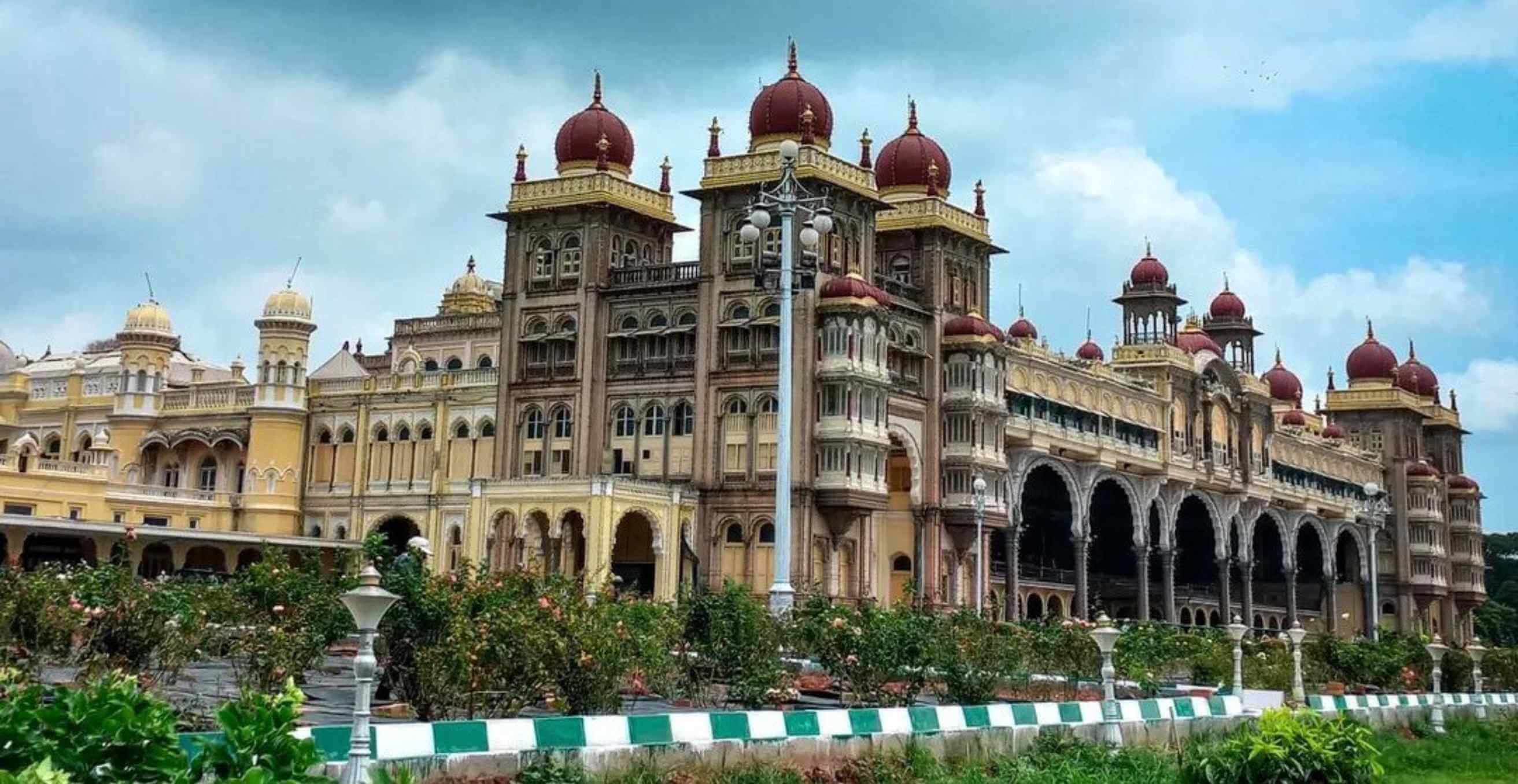
Mysore Palace is one of the finest examples of Indo-Saracenic architecture in India — a style that deliberately blends elements from multiple traditions rather than sticking to one. In this palace, that means:
•Hindu temple-style detailing in the carvings and layout.
•Islamic-influenced domes and arches.
•Rajasthani (Rajput) design touches, particularly in the ornamentation.
•Gothic influence, most visible in the stained-glass work
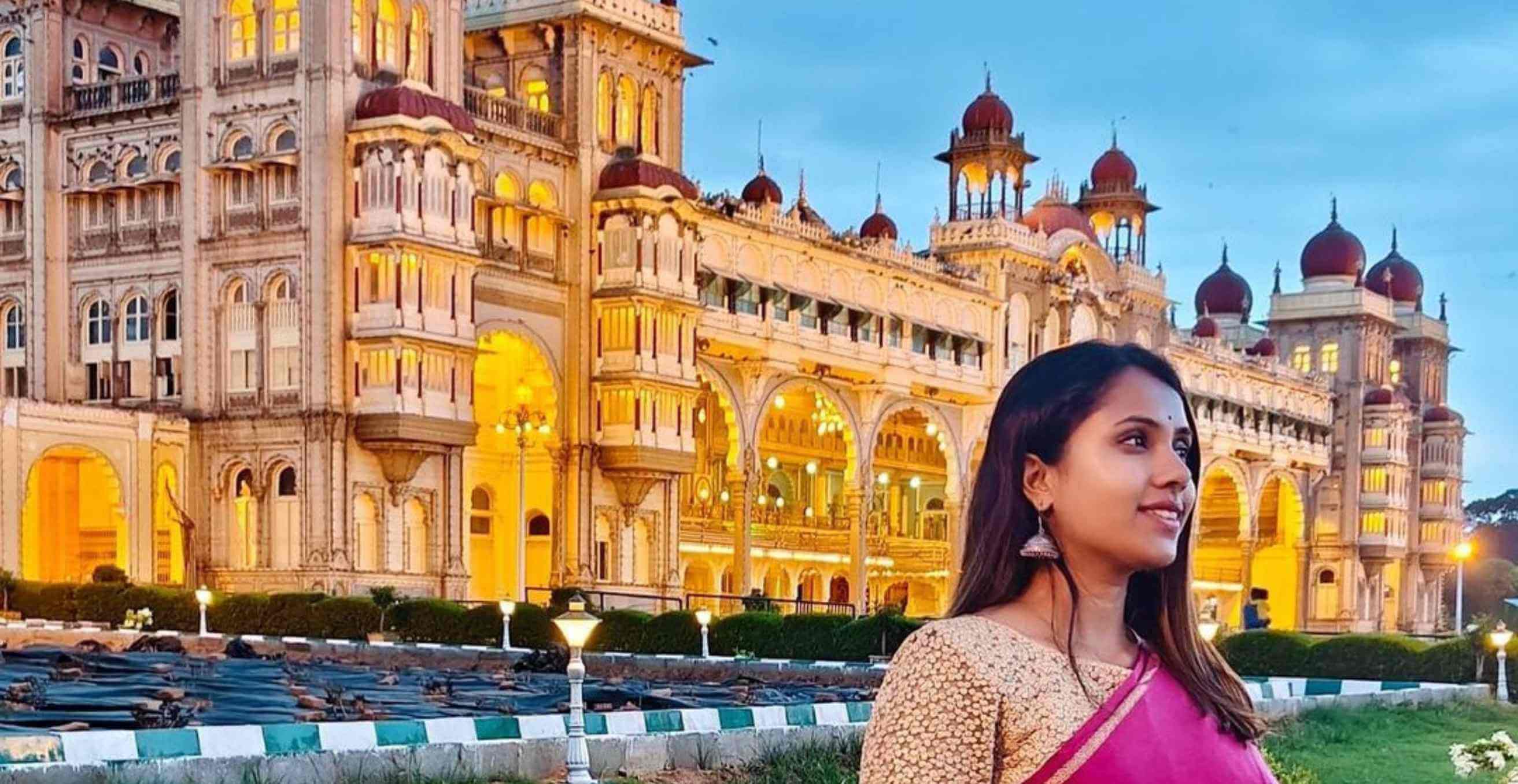
Structurally, the palace is a three-storey building constructed from fine grey granite, topped with deep pink marble domes that catch the light dramatically at sunset. A 145-foot five-storied tower rises above the main structure and is visible from much of the city.
Inside, a few areas stand out in particular:
•The Kalyana Mandapa, or marriage hall, features an octagonal stained-glass ceiling shaped like a peacock. The glasswork was imported from Glasgow, Scotland, and remains one of the most photographed interior features in the palace.
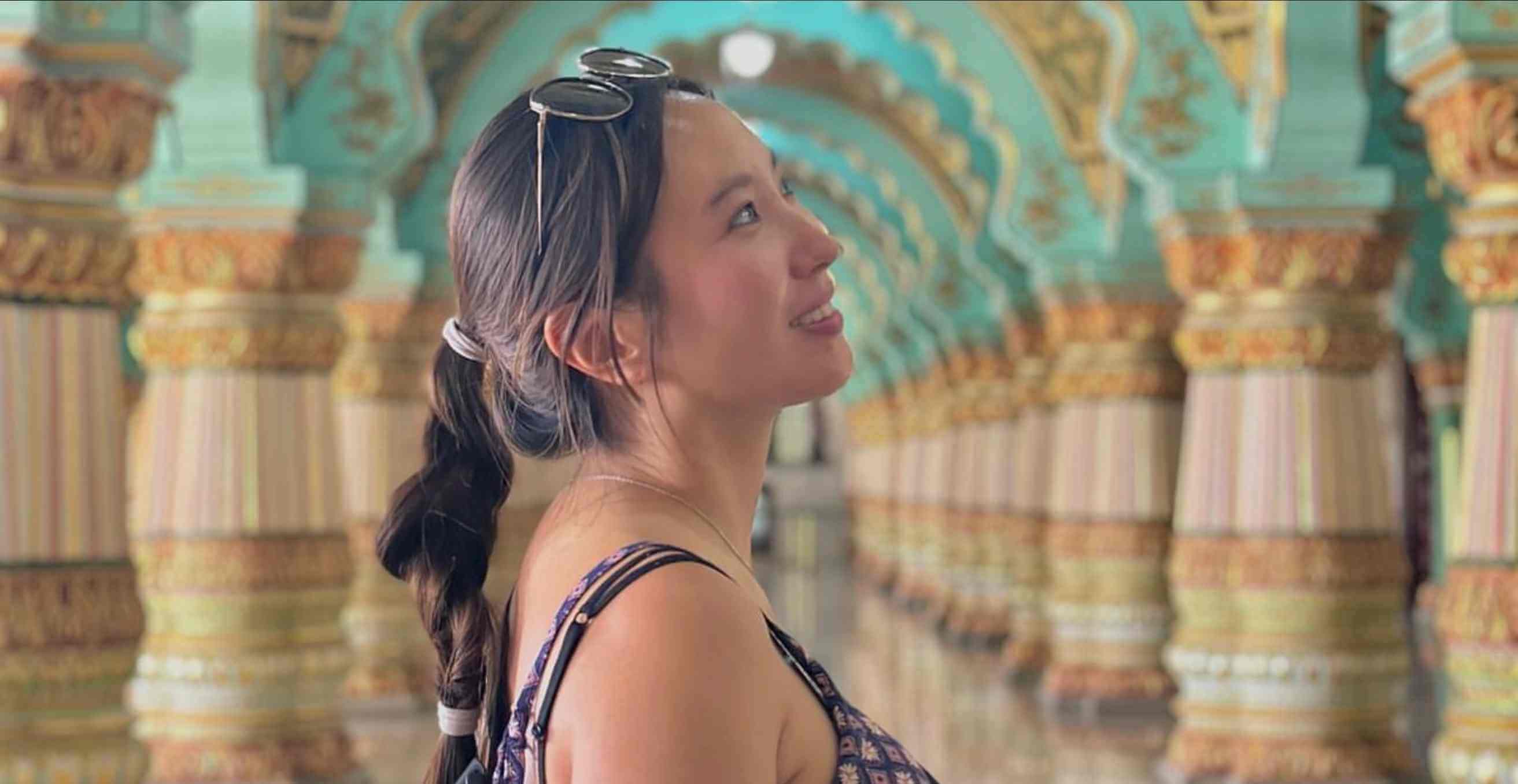
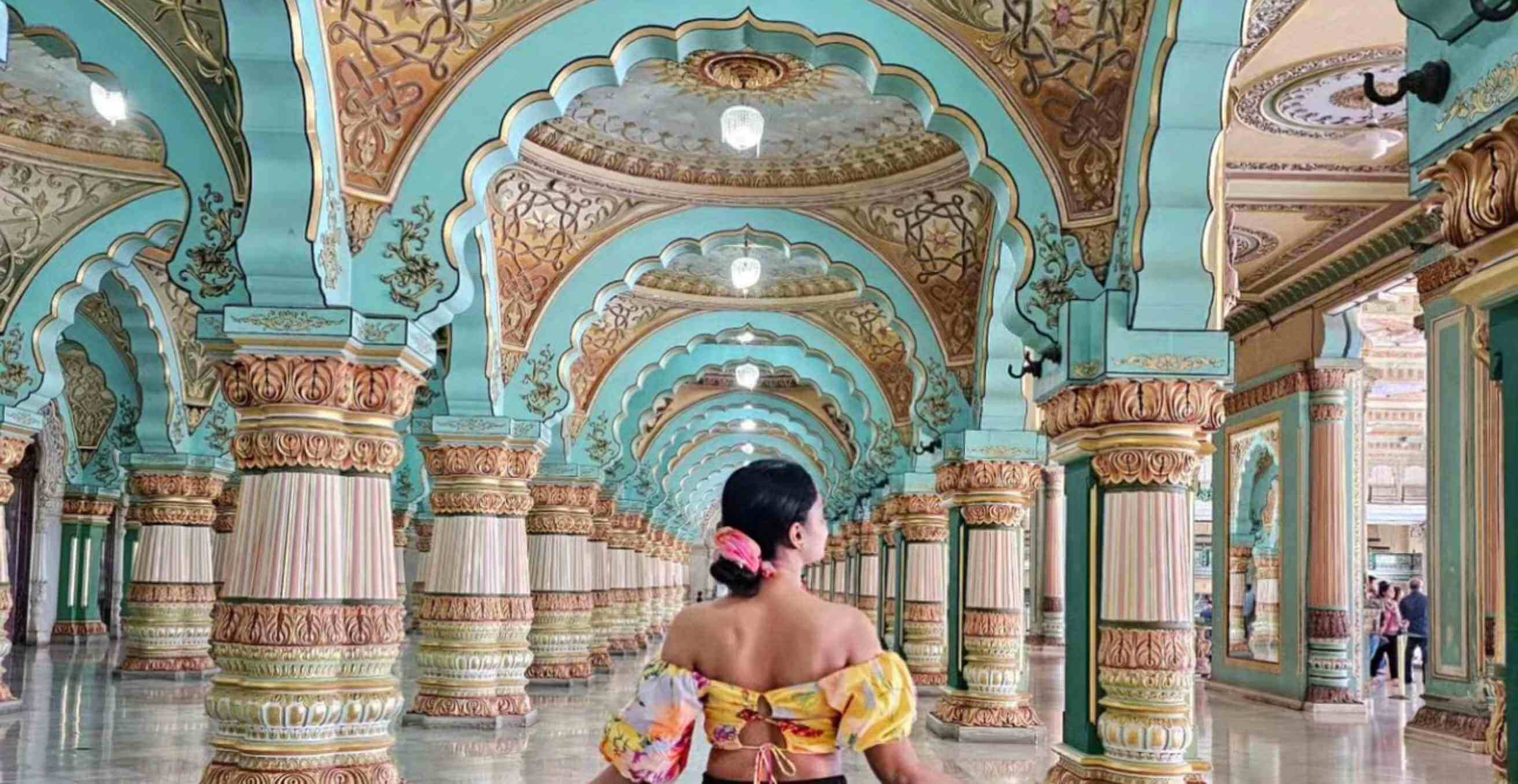
•The Durbar Hall is a long, pillared hall with an elaborately painted ceiling, historically used for royal court assemblies and public functions.
•The Golden Throne (Ratna Simhasana) is a jewel-studded ceremonial throne that is kept out of public view for most of the year and displayed only during the Dasara festival, drawing enormous crowds specifically to see it.
The palace walls and ceilings throughout are covered in paintings depicting the Dasara procession, scenes from Hindu mythology, and portraits of the Wadiyar rulers, effectively turning the palace into a visual record of the dynasty's history.
Illumination — The Palace at Night

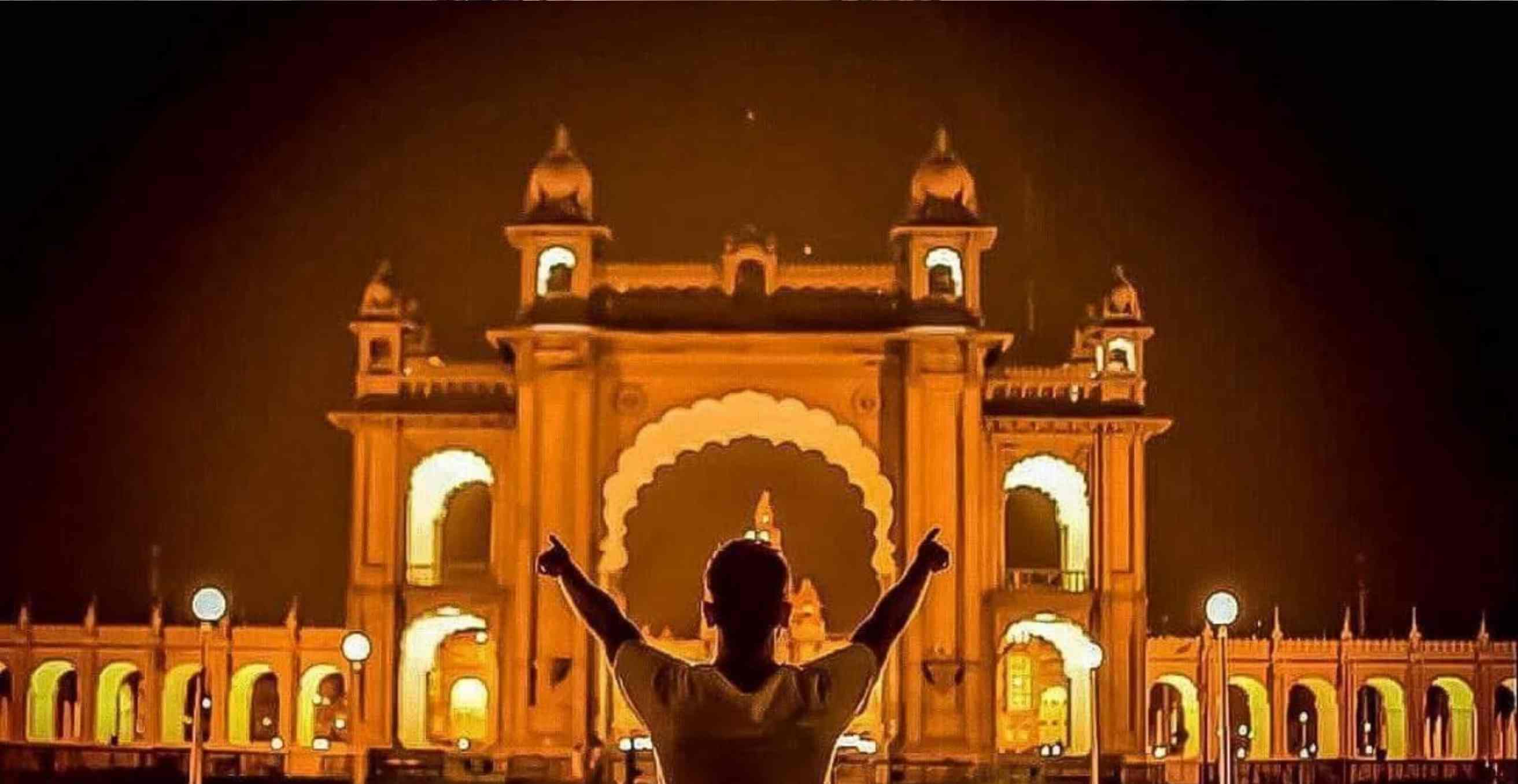
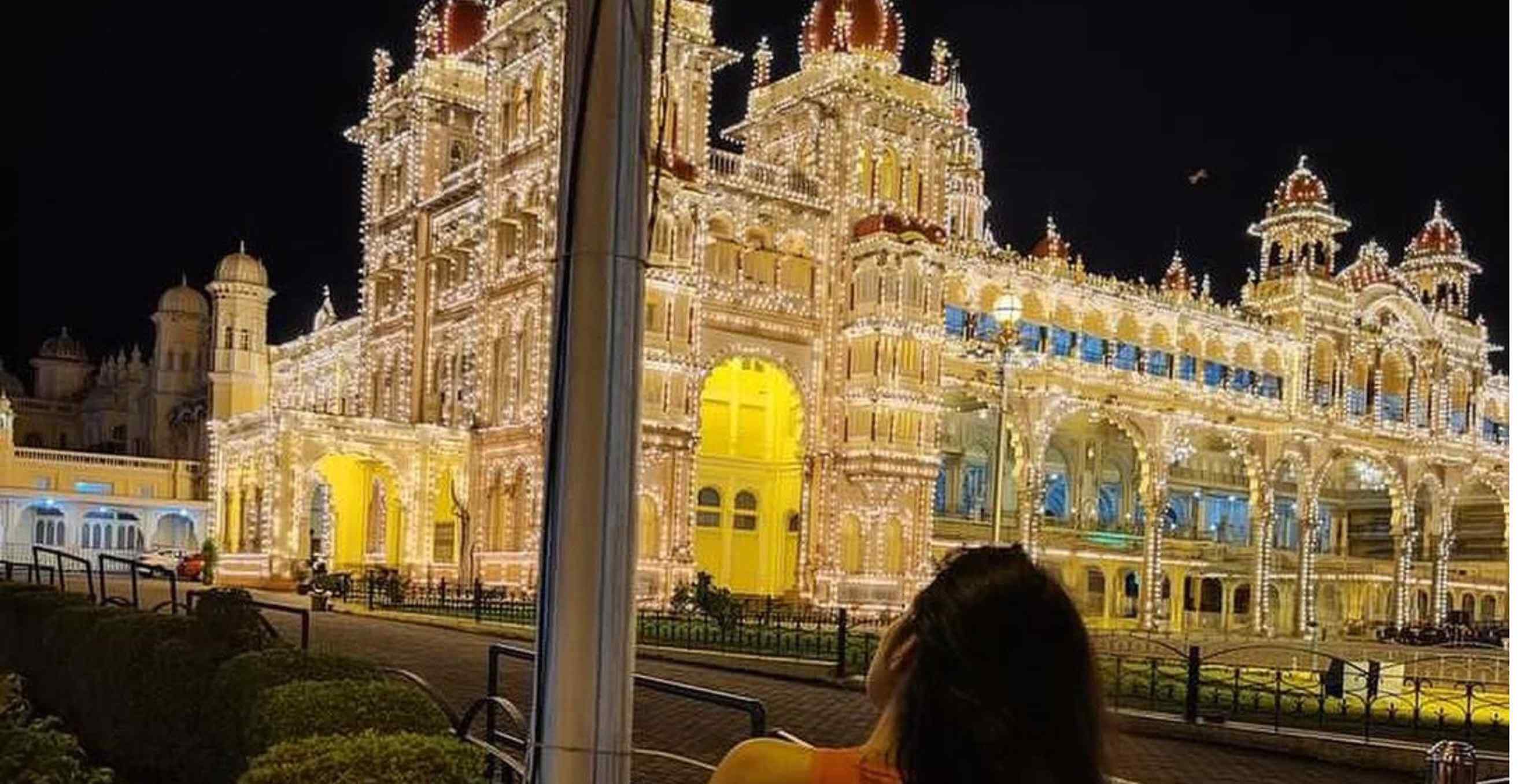
One of the most visually striking things about Mysore Palace has nothing to do with its daytime architecture. On Sundays, national holidays, and throughout the Dasara festival, the entire palace is illuminated with approximately 97,000 to 100,000 individual light bulbs, outlining every dome, arch, and tower against the night sky. The lights are typically switched on from around 7:00 PM to 7:45 PM.
This illumination has become such a significant draw on its own that many visitors specifically plan their trip around a Sunday evening, arriving in the late afternoon to explore the palace in daylight and staying on to watch it light up after sunset.
Mysore Dasara — The Palace's Biggest Festival
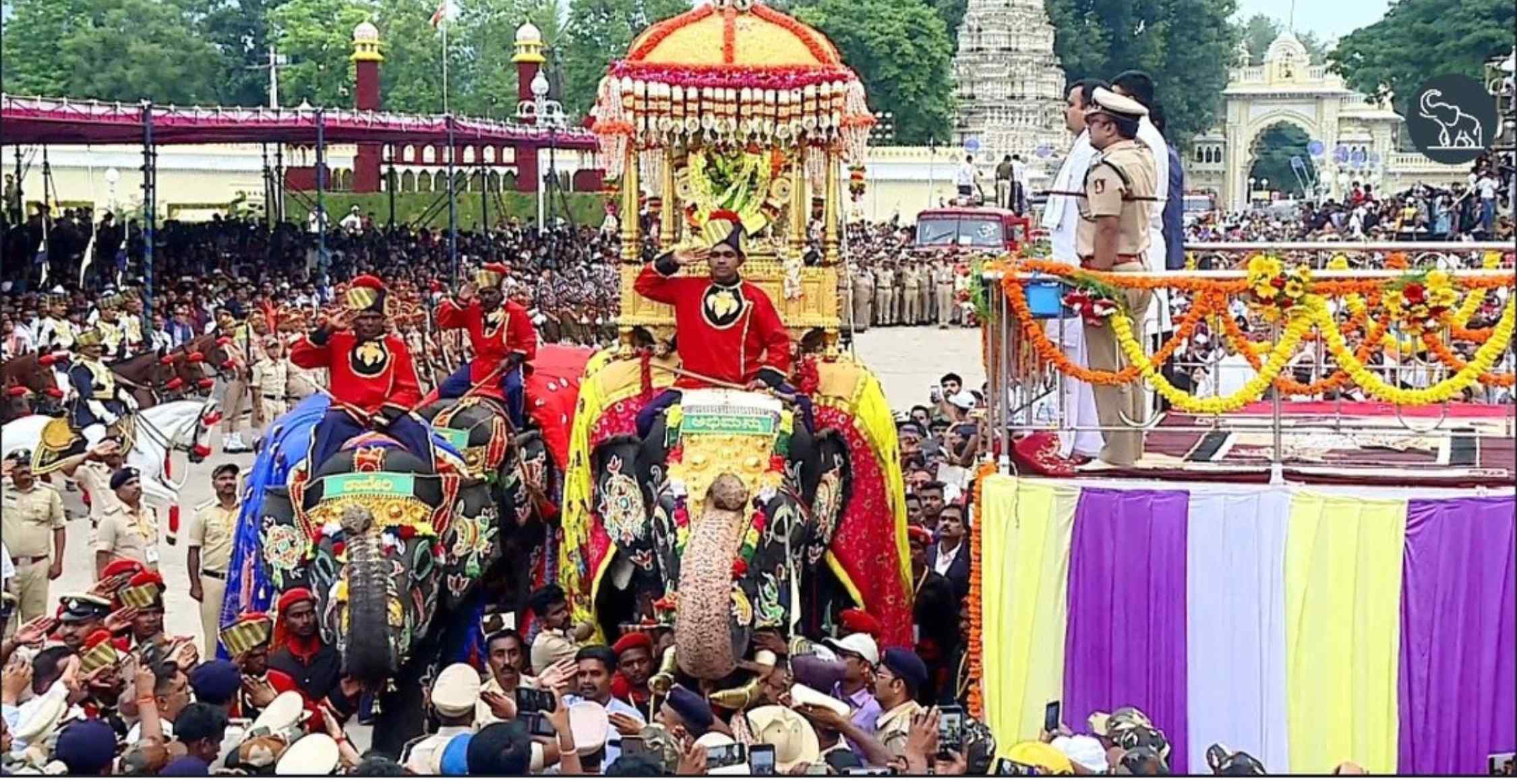
Mysore Palace and Mysore Dasara are inseparable in most people's minds, and for good reason. Dasara is a ten-day festival, usually falling in September or October, celebrating the goddess Chamundeshwari's victory over the demon Mahishasura — the very legend from which the city of Mysore takes its name.
During Dasara, the palace becomes the center of the entire city's celebrations. The festival's centerpiece is the Jamboo Savari, a grand procession in which a decorated elephant carries the idol of the goddess on a golden howdah through the streets of Mysore, watched by enormous crowds. The Golden Throne is put on public display, cultural performances are staged in and around the palace grounds, and the nightly illumination reaches its most elaborate form of the year. For many travelers, visiting Mysore specifically during Dasara is considered the single best way to experience the palace.
How to Reach Mysore Palace
By Air: The nearest airport is Mysore Airport, though it has limited flight connectivity. Most travelers fly into Kempegowda International Airport in Bengaluru, which is roughly 3.5 to 4 hours away by road.
By Train: Mysore Junction railway station is well connected to Bengaluru, Chennai, and several other major cities, making train travel a convenient option for many visitors.
By Road: Mysore is approximately 145 km from Bengaluru, around a 3-hour drive via NH275, one of the better-maintained highways in the state.
Once in the city, the palace is centrally located and easily reachable by auto-rickshaw, taxi, or a short walk from most parts of central Mysore.
Nearby Attractions Worth Combining with Your Visit
•Chamundi Hills and the Chamundeshwari Temple, offering panoramic views of the city
•St. Philomena's Church, one of the tallest churches in India
•Mysore Zoo, officially the Sri Chamarajendra Zoological Gardens
•Devaraja Market, a bustling traditional market known for flowers, spices,and perfumes.
•Jaganmohan Palace and Art Gallery, a smaller royal building now housing an art collection.
Where to Stay
Mysore offers accommodation across every budget range, from heritage-style hotels within walking distance of the palace to more affordable options closer to the railway station.
If you're looking for a social, budget-friendly base for exploring the palace and surrounding attractions, Palace Hostel Mysore is a great option — its location makes it easy to reach the palace on foot or with a short ride, which is especially convenient if you're planning to catch the Sunday evening illumination without arranging late-night transport back.
Planning Your Visit
Most visitors spend between 1.5 and 2 hours exploring the palace interior and grounds, though this can easily stretch longer during Dasara when there's more to see. If your schedule allows flexibility, aim for either a Sunday visit to catch the illumination, or a trip during the Dasara festival itself for the fullest possible experience of what makes this palace such an enduring symbol of Karnataka's royal heritage.